
Function
Ref. Model
I/O Data
SubAIMs
JSON MData
Profiles
Ref. Software
Conformance
Performance
1 Functions
The Personality Alignment (PGM‑PAL) AIM decides the stance the A‑User should adopt and produces the A‑User State that the A‑User Formation AIM renders. It is a reasoning AIM: knowing how the User feels and the context of the interaction, it judges what stance is appropriate for the A‑User, which is not the same as mirroring the User. If the User laughs, the A‑User laughing may be appropriate in a pub but improper in a church; the Personality Alignment AIM makes that judgement.
To make it, the Personality Alignment AIM needs two things only: the User’s internal state and the context. It receives the User State (an estimate of the User’s internal state) from the User State Refinement AIM as a one‑way input, sent autonomously whenever the User State Refinement AIM has reached a conclusion; the Personality Alignment AIM does not query for it. It obtains context as needed by consulting Private Storage, and may draw further context indirectly through its deliberation with the Basic Knowledge AIM. the Personality Alignment AIM is the sole producer of the A‑User State; the User State Refinement AIM reports only the User State and has no part in deciding the A‑User State.
As a reasoning AIM, Personality Alignment is governed by A‑User Control under the principle that A‑User Control proposes and the AIM disposes. A AUC-PAL Request sets a binding goal and may carry a proposed correction together with a Weight indicating how much importance Personality Alignment should give the proposal; Personality Alignment decides its own conclusion and reports, in the AUC-PAL Response, the stance it adopted and how it treated the proposal. Personality Alignment also participates in Basic Knowledge’s deliberation through the MCP interface BKN‑PAL (the BKN‑PAL Request and the BKN‑PAL Response).
PGM‑PAL:
- Receives the AUC-PAL Request from A‑User Control, the User State estimate sent one‑way by User State Refinement, the BKN‑PAL Request from Basic Knowledge, and the PAL Interaction History Response read from Private Storage.
- Decides the stance the A‑User should adopt, resolving the context and applying role and locale constraints, and incorporating any proposed correction according to its Weight.
- Produces the A‑User State for A‑User Formation, the AUC-PAL Response for A‑User Control, the BKN‑PAL Response for Basic Knowledge, and the PAL Interaction History Request to Private Storage.
Personality Alignment consults Private Storage on an as‑needed basis to obtain context, performing its own reads under the access rights A‑User Control establishes and Private Storage enforces.
2 Reference Model
Figure 1 depicts the Reference Model of the Personality Alignment (PGM‑PAL) AIM.
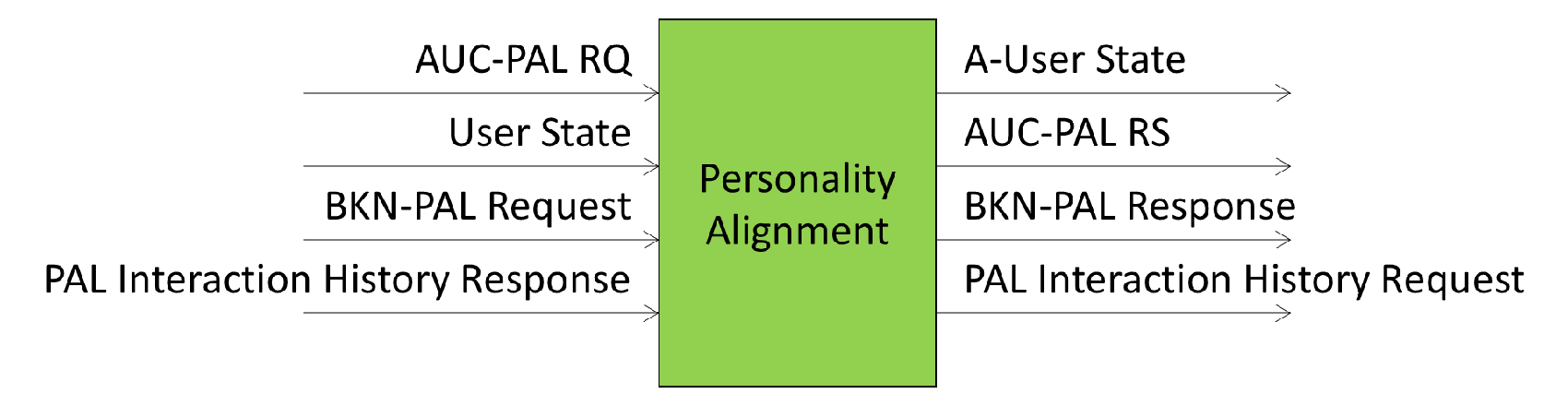
Figure 1 – Reference Model of the Personality Alignment (PGM‑PAL) AIM
3 I/O Data
Table 1 specifies the Input and Output Data of the Personality Alignment (PGM‑PAL) AIM.
| Input | Description |
|---|---|
| AUC-PAL Request | Goal and, optionally, a weighted proposed correction from A‑User Control. |
| User State | Estimate of the User’s internal state, sent one‑way by User State Refinement. |
| BKN‑PAL Request | Request from Basic Knowledge for the personality‑aligned stance, received via MCP. Defined within the BKN‑PAL schema. |
| PAL Interaction History Response | Prior context content read from Private Storage. |
| Output | Description |
| A‑User State | The Entity State the A‑User should adopt, sent to A‑User Formation. |
| AUC-PAL Response | Decision report to A‑User Control: the adopted stance and the treatment of any proposed correction. |
| BKN‑PAL Response | Response to a BKN‑PAL Request: the personality‑aligned stance, supplied to Basic Knowledge via MCP. Defined within the BKN‑PAL schema. |
| PAL Interaction History Request | Request to Private Storage to read the context needed for the stance decision. |
4 SubAIMs (informative)
This section is informative. The decomposition into SubAIMs described below illustrates one conformant architecture for producing the normative outputs of PGM‑PAL. Implementations may adopt alternative internal structures provided they satisfy the conformance requirements of Section 8.
4.1 Reference Model
Figure 2 depicts the Reference Model of the Personality Alignment (PGM‑PAL) Composite AIM.
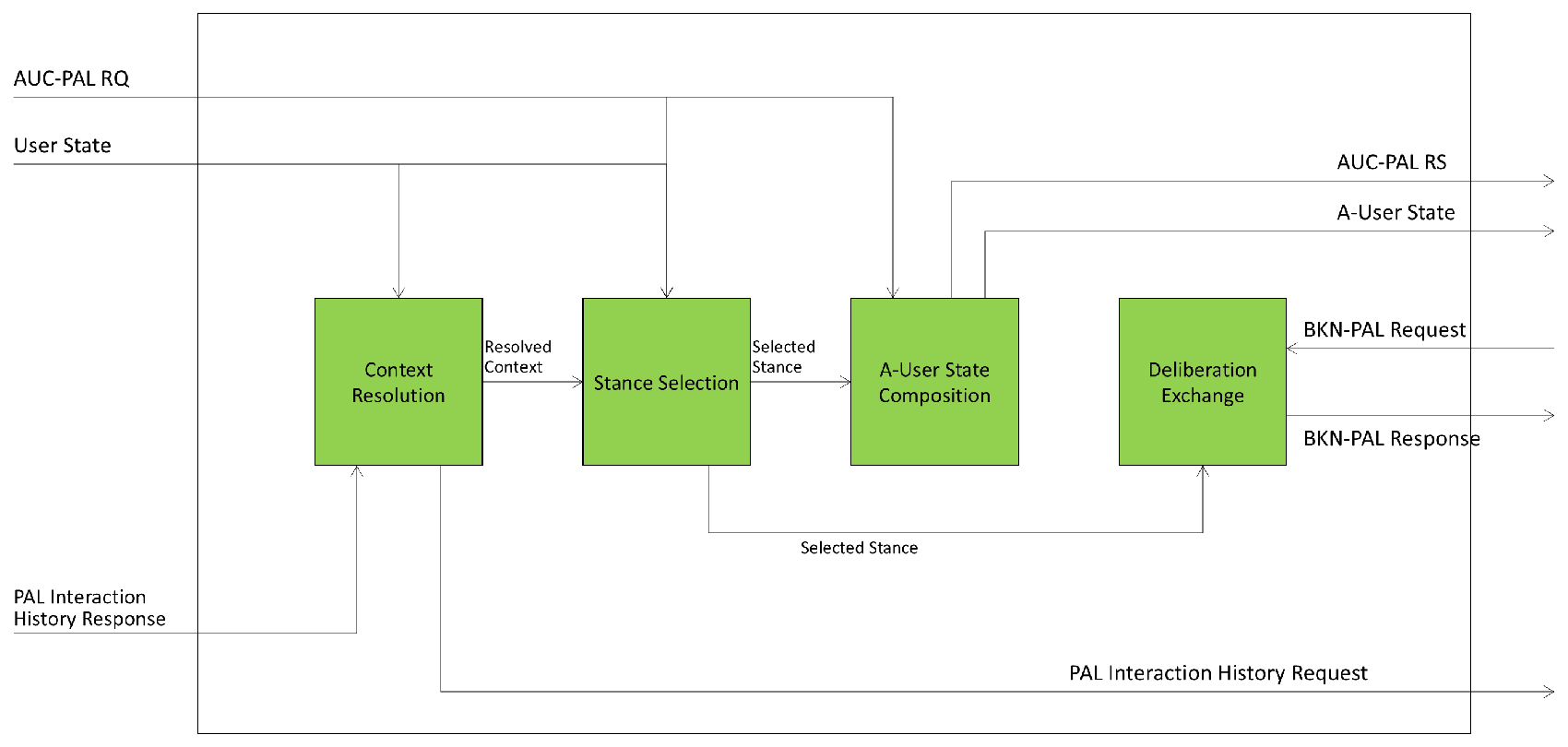
Figure 2 – Reference Model of the Personality Alignment (PGM‑PAL) Composite AIM
4.2 Operation
The PAL operation includes the following SubAIMs:
- Context Resolution — obtains the interaction context, consulting Private Storage as needed through the PAL Interaction History Request and Response, and reconciles it with the User State so the stance decision is context‑aware.
- Stance Selection — selects the personality stance appropriate to the User State and the resolved context, applying role and locale constraints.
- A‑User State Composition — composes the A‑User State (the Entity State the A‑User should adopt) from the selected stance, incorporating any proposed correction according to its Weight, and reports the adopted stance and the treatment of the proposal in the AUC-PAL Response.
- Deliberation Exchange — conducts the MCP exchange with Basic Knowledge: it receives the BKN‑PAL Request and supplies the selected stance in the BKN‑PAL Response.
4.3 Functions of SubAIMs
Table 2 specifies the functions of the Personality Alignment (PGM‑PAL) SubAIMs.
| SubAIM | Function |
|---|---|
| Context Resolution | Obtains and reconciles the interaction context with the User State, consulting Private Storage as needed. |
| Stance Selection | Selects the personality stance appropriate to the User State and context. |
| A‑User State Composition | Composes the A‑User State, incorporating any proposed correction according to its Weight, and reports the AUC-PAL Response. |
| Deliberation Exchange | Conducts the MCP exchange with Basic Knowledge. |
4.4 I/O Data of SubAIMs
Table 3 gives the Input and Output Data of the Personality Alignment (PGM‑PAL) SubAIMs.
| SubAIM | Input | Output |
|---|---|---|
| Context Resolution | User State PAL Interaction History Response |
Resolved Context PAL Interaction History Request |
| Stance Selection | User State Resolved Context AUC-PAL Request |
Selected Stance |
| A‑User State Composition | Selected Stance AUC-PAL Request (proposed correction, Weight) |
A‑User State AUC-PAL Response |
| Deliberation Exchange | Selected Stance BKN‑PAL Request |
BKN‑PAL Response |
4.5 AIMs and JSON Metadata
Table 4 provides the links to the AIM specifications and JSON schemas. AIM1 indicates the Composite AIM and AIM2 its SubAIMs.
| AIM1 | AIM2 | Name | JSON |
|---|---|---|---|
| PGM‑PAL | Personality Alignment | X | |
| PGM‑CXR | Context Resolution | X | |
| PGM‑STS | Stance Selection | X | |
| PGM‑ASC | A‑User State Composition | X | |
| PGM‑DEX | Deliberation Exchange | X |
5 JSON Metadata
https://schemas.mpai.community/PGM1/V1.0/AIMs/PersonalityAlignment.json
6 Profiles
No Profiles.
7 Reference Software
Not part of this specification.
8 Conformance Testing
Table 5 provides the Conformance Testing Method for the Personality Alignment (PGM‑PAL) AIM. Conformance Testing of the individual SubAIMs is given by the individual AIM specifications.
If a schema contains references to other schemas, conformance of data for the primary schema implies that any data referencing a secondary schema shall also validate against the relevant schema, if present, and conform with the Qualifier, if present.
| Receives | AUC-PAL Request | Shall validate against AUC-PAL Request schema. |
| User State | Shall validate against User State schema. | |
| BKN‑PAL Request | Shall validate against the BKN‑PAL schema, with Mode RQ. | |
| PAL Interaction History Response | Shall validate against PAL Interaction History schema. | |
| Produces | A‑User State | Shall validate against A‑User State schema. |
| AUC-PAL Response | Shall validate against AUC-PAL Response schema. | |
| BKN‑PAL Response | Shall validate against the BKN‑PAL schema, with Mode RS. | |
| PAL Interaction History Request | Shall validate against PAL Interaction History schema. |
9 Performance Assessment
Not part of this specification.
