
| Function | Ref. Model | I/O Data | SubAIMs | JSON MData | Profiles | Ref. Software | Conformance | Performance |
1. Function
The User State Synthesis (PGM‑USY) AIM is a Sub-AIM of User State Refinement (PGM‑USR). It consolidates the baseline User State, the Engagement Metrics and the Refined Entity State into the authoritative refined User State and the AUC-USR Response.
PGM‑USY:
- Receives the AUC-USR Request, the baseline User State, the Engagement Metrics, the Refined Entity State and the USR Interaction History Response.
- Consolidates the baseline User State, the engagement and the Refined Entity State into the refined User State and the AUC-USR Response, resolving overrides and recording provenance.
- Writes the refined User State to Private Storage, and reads prior state, with a USR Interaction History Request.
The refined User State, represented by an Entity State, is passed to Personality Alignment and made available to A‑User Formation; the AUC-USR Response is reported to A‑User Control.
2. Reference Model
Figure 1 depicts the Reference Model of the User State Synthesis (PGM‑USY) AIM.
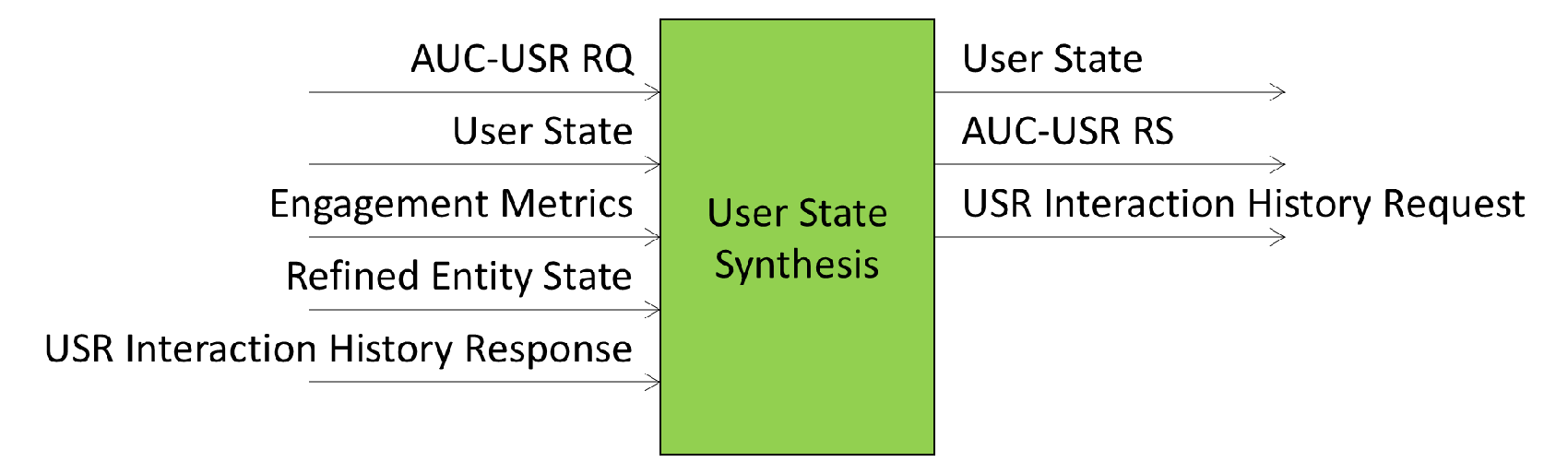
Figure 1 – The User State Synthesis (PGM‑USY) AIM
3. Input/Output Data
Table 1 specifies the Input and Output Data of the User State Synthesis (PGM‑USY) AIM.
Table 1 – I/O Data of the User State Synthesis (PGM‑USY) AIM
| Input | Description |
|---|---|
| AUC-USR Request | Instructions from A‑User Control specifying refinement goals, urgency, override conditions, and control mode. |
| User State | Baseline User State produced by Context Description, to be refined. |
| Engagement Metrics | Engagement level and mode of the User. |
| Refined Entity State | The refined Entity State of the User. |
| USR Interaction History Response | Prior User State content read from Private Storage (cadence history, prior state). |
| Output | Description |
| User State | The refined, authoritative User State, represented by an Entity State. Passed to Personality Alignment. |
| AUC-USR Response | Report to A‑User Control: current engagement, override report and provenance of the refinement. |
| USR Interaction History Request | Request to Private Storage to write the refined User State and read prior cadence and state. |
4. Sub-AIMs
No Sub-AIMs.
5. JSON Metadata
https://schemas.mpai.community/PGM1/V1.0/AIMs/UserStateSynthesis.json
6. Profiles
No Profiles.
7. Reference Software
Not part of this specification.
8. Conformance Testing
Table 2 provides the Conformance Testing Method for the User State Synthesis (PGM‑USY) AIM.
If a schema contains references to other schemas, conformance of data for the primary schema implies that any data referencing a secondary schema shall also validate against the relevant schema, if present, and conform with the Qualifier, if present.
| Receives | AUC-USR Request | Shall validate against the AUC-USR Request schema. |
| User State | Shall validate against the User State schema. | |
| Engagement Metrics | Shall validate against the Engagement Metrics schema. | |
| Refined Entity State | Shall validate against the Refined Entity State schema. | |
| USR Interaction History Response | Shall validate against the USR Interaction History Response schema. | |
| Produces | User State | Shall validate against the User State schema. |
| AUC-USR Response | Shall validate against the AUC-USR Response schema. | |
| USR Interaction History Request | Shall validate against the USR Interaction History Request schema. |
9. Performance Assessment
Not part of this specification.
