
Function
Ref. Model
I/O Data
SubAIMs
JSON MData
Profiles
Ref. Software
Conformance
Performance
1. Function
The User State Creation (PGM‑USC) AIM aggregates the evidential outputs of the upstream Sub-AIMs — Multimodal Input Harmonisation, Linguistic‑Paralinguistic Analysis, Behavioural and Expressive Analysis, and Cross‑Modal Interpretation — into a single, consistent User State instance. It also assembles the multiplexed statuses and request signals produced by those Sub-AIMs into the corresponding composite output data types. Specifically, PGM‑USC:
- Consumes structured evidence produced by upstream Sub-AIMs.
- Produces a User State instance conforming to the User State data type.
- Performs evidence‑based construction, as opposed to interpretation.
- Applies normative constraints on the User State elements that may be populated.
- Multiplexes the User CXT Status, User Domain Request, and User IH Request signals received from each Sub-AIM, composing the corresponding composite output, with one field per Sub-AIM.
2. Reference Model
Figure 1 depicts the Reference Model of the User State Creation (PGM‑USC) AIM.
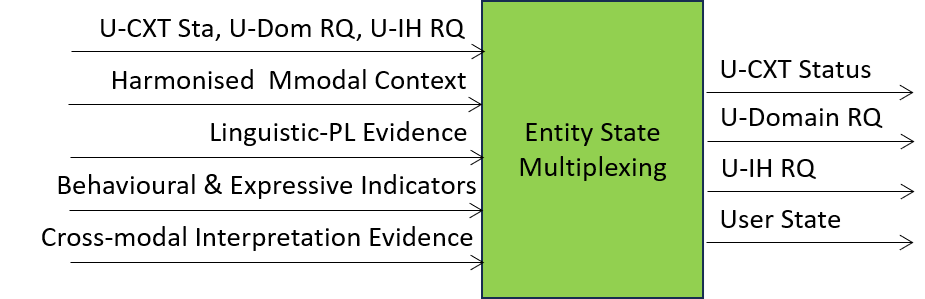
Figure 1 – The User State Creation (PGM‑USC) AIM
3. Input/Output Data
Table 1 specifies the Input and Output Data of the User State Creation (PGM‑USC) AIM.
| Input | Description |
|---|---|
| Harmonised Multimodal Context | Audio, visual, textual, and paralinguistic evidence of the scene, placed on a common time base and attributed to the harmonised Entities, as produced by Multimodal Input Harmonisation. |
| Linguistic‑Paralinguistic Evidence | Evidence carried by the content of the utterances of an Entity and by the manner of their delivery, as produced by Linguistic‑Paralinguistic Analysis. |
| Behavioural and Expressive Indicators | Indicators carried by the conduct of an Entity and by the expression of its body, as produced by Behavioural and Expressive Analysis. |
| Cross‑Modal Interpretation Evidence | Coherent cross‑modal interpretation of User behaviour and interaction context, as produced by Cross‑Modal Interpretation. |
| User CXT Status | Multiplexed status signals from Multimodal Input Harmonisation, Linguistic‑Paralinguistic Analysis, Behavioural and Expressive Analysis, and Cross‑Modal Interpretation. Each Sub-AIM reports its processing outcome in a dedicated field. |
| User Domain Request | Multiplexed domain knowledge requests from Multimodal Input Harmonisation, Linguistic‑Paralinguistic Analysis, Behavioural and Expressive Analysis, and Cross‑Modal Interpretation. The information provided by each Sub-AIMA is inserted in a dedicated field. |
| User Interaction History Request | Multiplexed Interaction History requests from Multimodal Input Harmonisation, Linguistic‑Paralinguistic Analysis, Behavioural and Expressive Analysis, and Cross‑Modal Interpretation. The information provided by each Sub-AIMA is inserted in a dedicated field. |
| User CXT Directive | Control directive specifying scope, depth, and policy constraints for User State Creation. |
| User Domain Response | Domain‑specific knowledge supporting User State Creation. |
| User Interaction History Response | Prior interaction‑history content supporting User State Creation. |
| Output | Description |
| User State | Structured representation of the cognitive, behavioural, expressive, and interaction state of the observed User, assembled from all evidence. |
| User CXT Status | Composite status signal assembling the processing outcomes of all Sub-AIMs, with one field per Sub-AIM. |
| User Domain Request | Composite domain knowledge request assembling the requests of all Sub-AIMs, with one field per Sub-AIM. |
| User Interaction History Request | Composite Interaction History request assembling the requests of all Sub-AIMs, with one field per Sub-AIM. |
4. SubAIMs
No SubAIMs.
5. JSON Metadata
https://schemas.mpai.community/PGM1/V1.0/AIMs/UserStateCreation.json
6. Profiles
No Profiles.
7. Reference Software
Not part of this specification.
8. Conformance Testing
Table 2 provides the Conformance Testing Method for the User State Creation (PGM‑USC) AIM.
If a schema contains references to other schemas, conformance of data for the primary schema implies that any data referencing a secondary schema shall also validate against the relevant schema, if present, and conform with the Qualifier, if present.
| Receives | Harmonised Multimodal Context | Shall validate against Harmonised Multimodal Context schema. |
| Linguistic‑Paralinguistic Evidence | Shall validate against Linguistic‑Paralinguistic Evidence schema. | |
| Behavioural and Expressive Indicators | Shall validate against Behavioural and Expressive Indicators schema. | |
| Cross‑Modal Interpretation Evidence | Shall validate against Cross‑Modal Interpretation Evidence schema. | |
| User CXT Status | Shall validate against User CXT Status schema. Each Sub-AIM field shall be present. | |
| User Domain Request | Shall validate against User Domain schema. Each Sub-AIM field shall be present. | |
| User Interaction History Request | Shall validate against Interaction History schema. Each Sub-AIM field shall be present. | |
| User CXT Directive | Shall validate against User CXT Directive schema. | |
| User Domain Response | Shall validate against User Domain schema. | |
| User Interaction History Response | Shall validate against Interaction History schema. | |
| Produces | User State | Shall validate against User State schema. |
| User CXT Status | Shall validate against User CXT Status schema. All Sub-AIM fields shall be populated. | |
| User Domain Request | Shall validate against User Domain schema. All Sub-AIM fields shall be populated. | |
| User Interaction History Request | Shall validate against Interaction History schema. All Sub-AIM fields shall be populated. |
9. Performance Assessment
Not part of this specification.