
Functions
Ref. Model
I/O Data
SubAIMs
JSON MData
Profiles
Ref. Software
Conformance
Performance
1 Functions
The Ice Condition Analysis (CAV-ICA) AIM:
| Receives | Weather Data | From the CAV’s weather sensors. |
| Spatial Attitude | From MAS Spatial Attitude Generation. | |
| AMS-MAS Message Request | From the Autonomous Motion Subsystem. | |
| Brake Response | From the brakes. | |
| Motor Response | From the motor. | |
| Wheel Response | From the steered wheels. | |
| Produces | Road State | To MAS Response Analysis. |
| Weather Data | Outside the MAS. |
The AIM estimates the state of the road under the CAV – the friction it offers – at each Spatial Attitude of the MAS. From the tyres: what the CAV asks of them, along its heading and across it, against what they give. When the brakes’ ABS acts, a braked wheel slips, or the motor loses traction, the tyres are at their limit, and the friction is what was asked. Grip proven on one stretch is forgotten a little further on.
Until the tyres say otherwise, the Weather Data: below 0 degrees C with precipitation, or ice reported, the road may be icy; with rain, wet; otherwise it is taken as dry, with little confidence. The Road State says the friction, whether ice is present, and the confidence, for the road under the CAV.
2 Reference Model
Figure 1 depicts the Reference Model of the Ice Condition Analysis (CAV-ICA) AIM.
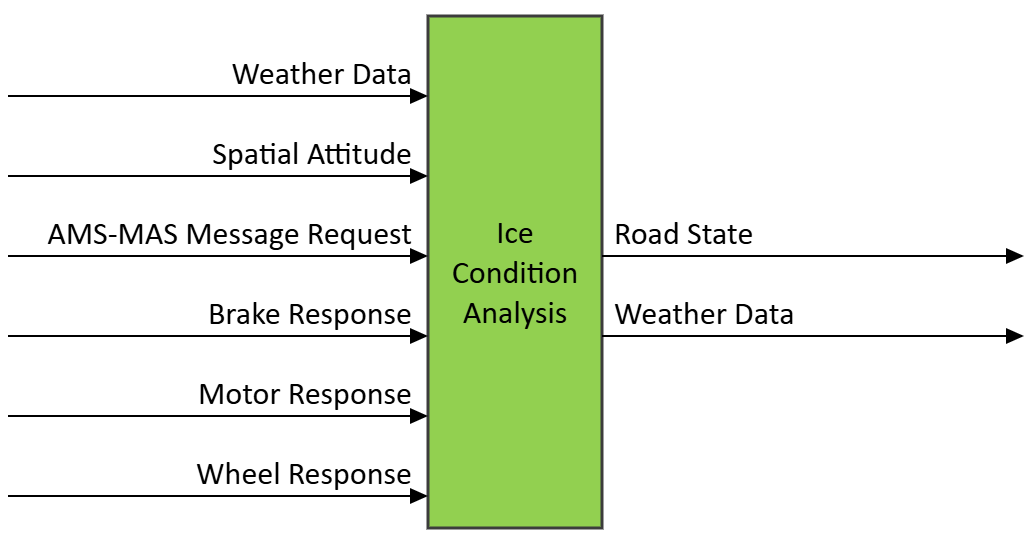
Figure 1 – The Ice Condition Analysis (CAV-ICA) AIM
3 I/O Data
Table 1 specifies the Input and Output Data of the Ice Condition Analysis (CAV-ICA) AIM.
| Input | Data Type | Description |
|---|---|---|
| Weather Data (optional) | Weather Data | Temperature, precipitation, ice reported. |
| Spatial Attitude | Spatial Attitude | The CAV’s motion: what it asks of the tyres. |
| AMS-MAS Message Request (optional) | AMS-MAS Message Request | What the CAV is asked to do. |
| Brake Response (optional) | Brake Response | The response, and the slip of the brakes. |
| Motor Response (optional) | Motor Response | The response, and the slip of the motor. |
| Wheel Response (optional) | Wheel Response | The response, and the slip of the steered wheels. |
| Output | Data Type | Description |
| Road State | Road State | The friction the road under the CAV offers, whether ice is present, and the confidence. |
| Weather Data (optional) | Weather Data | The weather it has taken into account. |
4 SubAIMs
No SubAIMs.
5 JSON Metadata
https://schemas.mpai.community/CAV2/V2.0/AIMs/IceConditionAnalysis.json
6 Profiles
No Profiles.
7 Reference Software
The reference software estimates the friction the road offers from what the tyres give – ABS acting, a braked wheel slipping, the motor losing traction – and, until the tyres say otherwise, from the Weather Data. It is part of the reference software of CAV-TEC V2.0 (see N4195, An introduction to the reference software): C# on .NET 10, released under the BSD 3-Clause licence, obtained from MPAI.
Tested with the Motion Actuation Subsystem on icy stretches of road.
8 Conformance Testing
Table 2 provides the Conformance Testing Method for the Ice Condition Analysis (CAV-ICA) AIM: the data it receives and produces. If a schema references other schemas, conformance of data for the primary schema implies that data referencing a secondary schema shall also validate against that schema, if present, and conform with the Qualifier, if present.
| Receives | Weather Data | Shall validate against the Weather Data schema. |
| Spatial Attitude | Shall validate against the Spatial Attitude schema. | |
| AMS-MAS Message Request | Shall validate against the AMS-MAS Message schema. | |
| Brake Response | Shall validate against the Brake Response schema. | |
| Motor Response | Shall validate against the Motor Response schema. | |
| Wheel Response | Shall validate against the Wheel Response schema. | |
| Produces | Road State | Shall validate against the Road State schema. |
| Weather Data | Shall validate against the Weather Data schema. |