
Go to MPAI-OSD V1.5 AI Modules
Function
Ref. Model
I/O Data
SubAIMs
JSON MData
Profiles
Ref. Software
Conformance
Performance
1 Functions
The Multimodal Scene Editing (OSD‑MSE) AIM composes Scenes and Objects of at least two media (Audio, Visual, Speech, LiDAR, 3D Model, RADAR, Ultrasound, Offline Map) into a Multimodal Scene: a voice over music is a Multimodal Scene of an Audio Scene Descriptors and a Speech Scene Descriptors, or of an Audio Object and a Speech Object. Each of its two Scene Ports takes a Scene of any medium, and each of its two Object Ports an Object of any medium, kept as it arrives. One Multimodal Scene is open at a time: the User Command places the Scenes and Objects, named by the name the User gave them, in its common frame (AddedObjects), moves them, changes where they are, takes them out (RemovedObjects), deletes the Multimodal Scenes named, with all their versions, from where the Module keeps them (DeletedObjects: a Multimodal Scene that is a member of another Scene is not deleted, and the response says so, naming that Scene; a name that is not known fails) and sets where the Multimodal Scene is heard and seen from (the User PoV, carried by the User Command: UserPoV). The Scenes and Objects being edited are followed: a member that is the version last arrived on its Port is replaced by the new version. Every edit is a new version. The AIM outputs the open Multimodal Scene, when its members are of at least two media, and the User Command with its response (UserCommandRS) saying how each action was executed.
| Receives | Scene | A Scene of any medium. |
| Other Scene | A second Scene of any medium. | |
| Object | An Object of any medium. | |
| Other Object | A second Object of any medium. | |
| User Command | The commands that place, move and remove Scenes and Objects. | |
| Produces | Multimodal Scene | The open Multimodal Scene. |
| User Command | The response: how each action of the User Command was executed. |
2 Reference Model
Figure 1 depicts the Reference Model of the Multimodal Scene Editing (OSD-MSE) AIM.
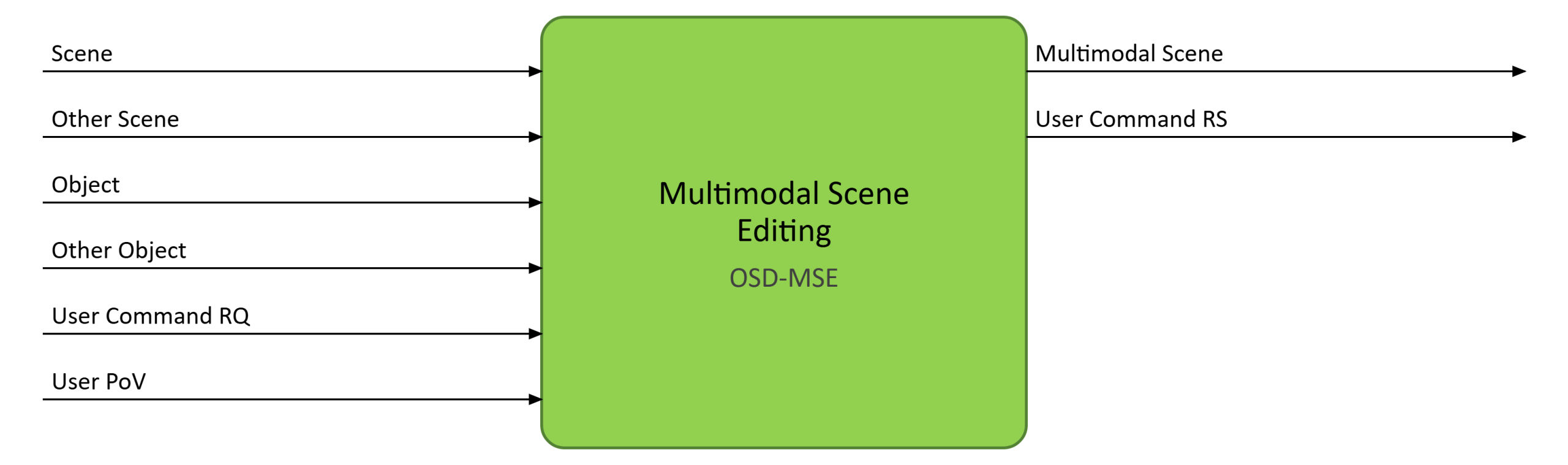
Figure 1 – Reference Model of the Multimodal Scene Editing (OSD-MSE) AIM
3 I/O Data
Table 1 specifies the Input and Output Data of the Multimodal Scene Editing (OSD-MSE) AIM. Links are to the Data Type specifications and to their JSON schemas.
4 SubAIMs
No SubAIMs.
5 JSON Metadata
https://schemas.mpai.community/OSD/V1.5/AIMs/MultimodalSceneEditing.json
6 Profiles
No Profiles.
7 Reference Software
Not part of this specification.
8 Conformance Testing
Table 2 provides the Conformance Testing Method for the OSD-MSE AIM.
If a schema contains references to other schemas, conformance of data for the primary schema implies that any data referencing a secondary schema shall also validate against the relevant schema, if present, and conform with the Qualifier, if present.
| Receives | Scene (Audio Scene Descriptors or Visual Scene Descriptors or Speech Scene Descriptors or LiDAR Scene Descriptors or 3D Model Scene Descriptors or RADAR Scene Descriptors or Ultrasound Scene Descriptors or Offline Map Scene Descriptors) | Shall validate against the schema of the Data Type its Header names. |
| Other Scene (Audio Scene Descriptors or Visual Scene Descriptors or Speech Scene Descriptors or LiDAR Scene Descriptors or 3D Model Scene Descriptors or RADAR Scene Descriptors or Ultrasound Scene Descriptors or Offline Map Scene Descriptors) | Shall validate against the schema of the Data Type its Header names. | |
| Object (Audio Object or Visual Object or Speech Object or 3D Model Object or RADAR Object or Offline Map Object) | Shall validate against the schema of the Data Type its Header names. | |
| Other Object (Audio Object or Visual Object or Speech Object or 3D Model Object or RADAR Object or Offline Map Object) | Shall validate against the schema of the Data Type its Header names. | |
| User Command (User Command) | Shall validate against the User Command schema, and contain a UserCommandRQ. | |
| Produces | Multimodal Scene (Multimodal Scene Descriptors (OSD-MSD)) | Shall validate against the Multimodal Scene Descriptors schema. |
| User Command (User Command) | Shall validate against the User Command schema, and contain a UserCommandRS. |
9 Performance Assessment
Not part of this specification.
