
Go to MPAI-OSD V1.5 AI Modules
Function
Ref. Model
I/O Data
SubAIMs
JSON MData
Profiles
Ref. Software
Conformance
Performance
1 Functions
The Visual Object Identification (OSD‑VOI) AIM produces the Identifier based on a Taxonomy of a Visual Object included in a Visual Scene Geometry that is crossed by a Point of View:
| Receives | Visual Scene Geometry | The arrangement of the objects in the Scene, a subset of Visual Scene Descriptors. |
| Visual Objects | The Objects in the Scene. | |
| Body Descriptors | Descriptors of the Body indicating the object. | |
| Produces | Visual Instance ID | Identifying a Visual Object in the Scene that belongs to some level in a taxonomy. |
2 Reference Model
Figure 1 depicts the Reference Model of the Visual Object Identification (OSD‑VOI) AIM.
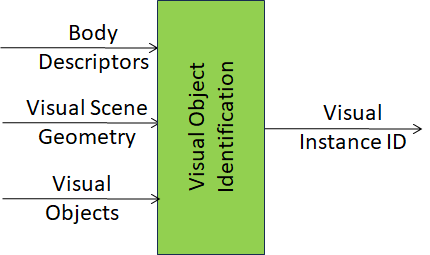
Figure 1 – The Visual Object Identification (OSD‑VOI) AIM
3 I/O Data
Table 1 specifies the Input and Output Data of the Visual Object Identification (OSD‑VOI) AIM.
| Input | Description |
|---|---|
| Body Descriptors Object | The Descriptors of the Body Objects of Entities in the Visual Scene. |
| Visual Scene Geometry | The digital representation of the spatial arrangement of the Visual Objects of the Scene. |
| Visual Object | The Visual Objects in the Visual Scene that are not Entities. |
| Output | Description |
| Visual Instance Identifier | The Identifier of the specific Visual Object belonging to a level in the taxonomy. |
4 SubAIMs
4.1 Functions of SubAIMs
The Visual Object Identification (OSD‑VOI) AIM is a Composite AIM depicted in Figure 2.
Note that the Visual Direction Identification AIM can parse either an AV Scene Geometry or its Visual Scene Geometry subset.
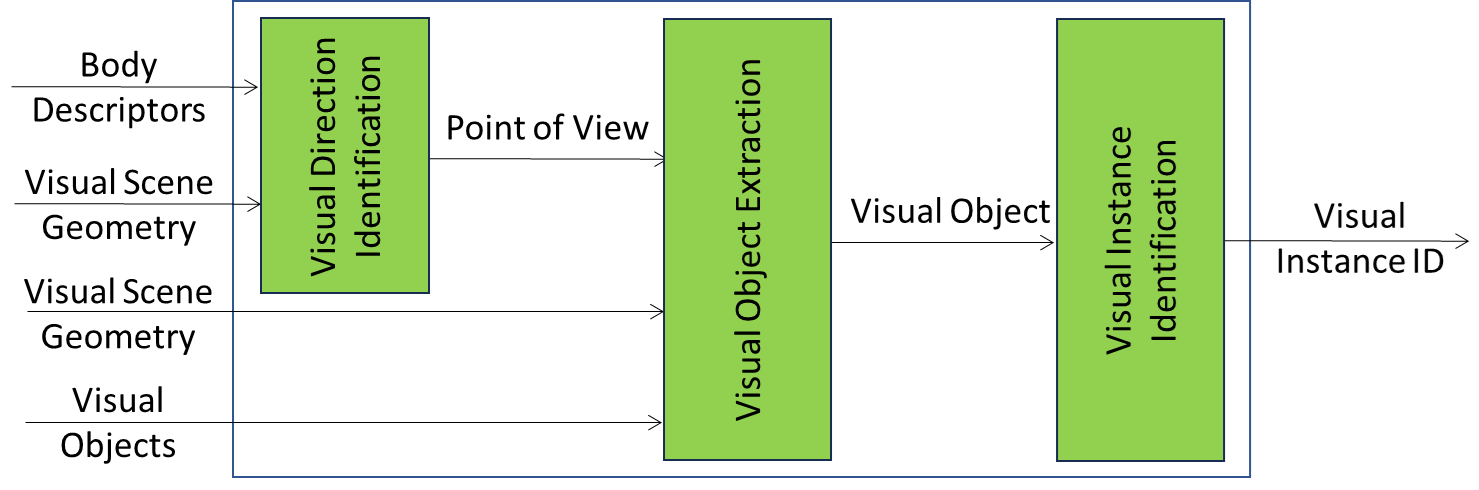
Figure 2 – The Visual Object Identification (OSD‑VOI) Composite AIM
4.2 Operation
Visual Direction Identification receives Body Descriptors and Visual Scene Geometry from which it finds the Point of View of the human finger. Visual Object Extraction uses this information to find which object in the scene are in the line from the Point of View and produces the Visual Object whose Identifier the Visual Instance Identification provides as output.
4.3 I/O Data of SubAIMs
Table 2 provides the Input and Output Data of the three OSD‑VOI SubAIMs.
4.4 AIMs and JSON Metadata
Table 3 provides the links to the AIM specifications and JSON schemas. AIM1 indicates the Composite AIM and AIM2 its SubAIMs.
| AIM1 | AIM2 | Name | JSON |
|---|---|---|---|
| OSD‑VOI | Visual Object Identification | X | |
| OSD‑VDI | Visual Direction Identification | X | |
| OSD‑VOE | Visual Object Extraction | X | |
| OSD‑VII | Visual Instance Identification | X |
5 JSON Metadata
https://schemas.mpai.community/OSD/V1.5/AIMs/VisualObjectIdentification.json
6 Profiles
No Profiles.
7 Reference Software
Not part of this specification.
8 Conformance Testing
Table 4 provides the Conformance Testing Method for the OSD‑VOI AIM. Conformance Testing of the individual SubAIMs is given by the individual AIM specifications.
If a schema contains references to other schemas, conformance of data for the primary schema implies that any data referencing a secondary schema shall also validate against the relevant schema, if present, and conform with the Qualifier, if present.
| Receives | Visual Scene Geometry | Shall validate against Visual Scene Geometry schema. |
| Visual Objects | Shall validate against Visual Object schema. Visual Data shall conform with Visual Qualifier. | |
| Body Descriptors Object | Shall validate against Body Descriptors schema. | |
| Produces | Visual Instance ID | Shall validate against Instance ID schema. |
9 Performance Assessment
Not part of this specification.