
Functions
Ref. Architecture
I/O Data
SubAIMs
JSON Metadata
Profiles
Ref. Software
Conformance
Performance
1 Functions
The Television Media Analysis (OSD-TMA) Composite AIM analyses a television programme and produces the Descriptors of the Events of the programme:
| Receives | Basic Speech Object (OSD-BSO) | The speech of the television programme to analyse. Shall validate against the Basic Speech Object schema. |
| Basic Visual Object (OSD-BVO) | The video of the television programme to analyse. Shall validate against the Basic Visual Object schema. | |
| Text Object (OSD-TXO) | Auxiliary Text that helps the SubAIMs to improve their performance. Optional. | |
| Produces | Multimodal Event Descriptors (OSD-MEV) | The analysis of the programme, in terms of Basic Visual Objects and Basic Speech Objects: the relevant Audio, Visual or Multimodal Objects, the IDs of speakers and the IDs of faces with their spatial positions, and the text of the utterances. |
OSD-TMA assumes that there is only one speaker at a time. It replaces the Television Media Analysis AI Workflow of MPAI-OSD V1.4: in this version it is a Composite AIM, made of AIMs specified by MPAI-OSD V1.5 and by other standards.
2 Reference Model
Figure 1 depicts the Reference Model of the Television Media Analysis (OSD-TMA) AIM.
[Figure 1 – The Reference Model of the Television Media Analysis (OSD-TMA) AIM: to be drawn]
The boundary of the AIM has the Ports of Table 1, identified by Data Type.
3 I/O Data
Table 1 specifies the Input and Output Data of the Television Media Analysis (OSD-TMA) AIM.
| Input | Description |
| Basic Speech Object (OSD-BSO) | The speech of the television programme. |
| Basic Visual Object (OSD-BVO) | The video of the television programme. |
| Text Object (OSD-TXO) | The Auxiliary Text. Optional. |
| Output | Description |
| Multimodal Event Descriptors (OSD-MEV) | The result of the analysis of the Speech, the Visual and the Auxiliary Text. |
4 SubAIMs
4.1 Reference Model
Figure 2 depicts the Reference Model of the Television Media Analysis (OSD-TMA) Composite AIM.
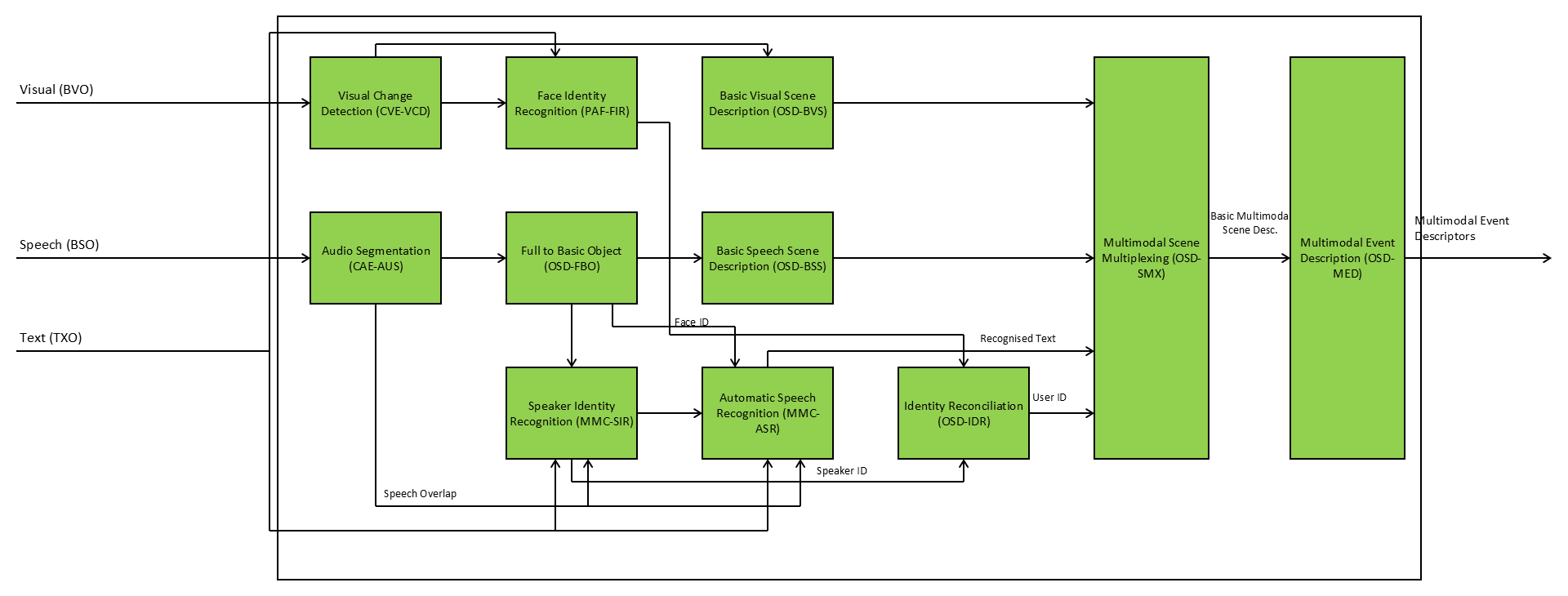
Figure 2 – The Reference Model of the Television Media Analysis (OSD-TMA) Composite AIM
4.2 Operation
Processing proceeds asynchronously on the Basic Speech Object, the Basic Visual Object and the Text Object, for the entire duration of the programme:
- Visual Change Detection (CVE-VCD) finds the Video frames that convey a scene change and produces, for each, the first changed image, as a Basic Visual Object.
- Audio Segmentation (CAE-AUS) segments the speech into Speech Objects, assigns an anonymous Speaker ID to each speaker and produces the Speech Overlap information.
- Full to Basic Object (OSD-FBO) gives the Basic Speech Objects of the Speech Object, one by one, to the AIMs that follow.
- Face Identity Recognition (PAF-FIR) identifies the faces in the Images and the Text, and gives each a Face ID with its Bounding Box.
- Speaker Identity Recognition (MMC-SIR) identifies the speakers from the Speech Objects, the Speech Overlap and the Text, and gives each a Speaker ID.
- Automatic Speech Recognition (MMC-ASR) transcribes the speech, taking into account the Text.
- Identity Reconciliation (OSD-IDR) reconciles the Face ID and the Speaker ID.
- Basic Speech Scene Description (OSD-BSS) and Basic Visual Scene Description (OSD-BVS) produce the Basic Scene Descriptors of the speech and of the images. Multimodal Scene Multiplexing (OSD-SMX) combines them, with the Recognised Text and the User ID, into the Basic Multimodal Scene Descriptors, and Multimodal Event Description (OSD-MED) produces from them the Multimodal Event Descriptors that leave the AIM.
4.3 Functions of SubAIMs
Table 2 provides the functions of the Television Media Analysis (OSD-TMA) SubAIMs. The AIMs specified by other standards are referenced by OSD-TMA: their specification is in those standards.
| SubAIM | Function |
| Visual Change Detection (CVE-VCD) | Detects scene cuts and transitions in the Video and produces the first changed image of each scene, as a Basic Visual Object. Specified by MPAI-CVE V1.0. |
| Audio Segmentation (CAE-AUS) | Finds the speech segments and the speakers, produces Speech Objects with the Speaker Time and the Speech Overlap. Specified by CAE-ASM. |
| Full to Basic Object (OSD-FBO) | Gives access to the Basic Objects of a Full Object. Specified by OSD. |
| Face Identity Recognition (PAF-FIR) | Identifies the faces in the Images with the help of the Text; produces Face ID and Bounding Box. Specified by MPAI-PAF V1.6. |
| Speaker Identity Recognition (MMC-SIR) | Identifies the speakers of the Speech Objects with the help of the Text; produces the Speaker ID. Specified by MPAI-MMC V2.5. |
| Automatic Speech Recognition (MMC-ASR) | Transcribes the speech, with time stamps, taking the Text into account. Specified by MPAI-MMC V2.5. |
| Identity Reconciliation (OSD-IDR) | Reconciles the Face ID and the Speaker ID into one User ID. Specified by OSD. |
| Basic Speech Scene Description (OSD-BSS) | Produces the Basic Speech Scene Descriptors from the Basic Speech Objects. Specified by OSD. |
| Basic Visual Scene Description (OSD-BVS) | Produces the Basic Visual Scene Descriptors from the Basic Visual Objects. Specified by OSD. |
| Multimodal Scene Multiplexing (OSD-SMX) | Combines the Scene Descriptors, the Text and the identifiers into the Basic Multimodal Scene Descriptors. Specified by OSD. |
| Multimodal Event Description (OSD-MED) | Produces the Multimodal Event Descriptors from the Basic Multimodal Scene Descriptors. Specified by OSD. |
5 JSON Metadata
https://schemas.mpai.community/OSD/V1.5/AIMs/TelevisionMediaAnalysis.json
6 Profiles
No Profiles.
7 Reference Software
Under development.
8 Conformance Testing
Table 3 provides the Conformance Testing Method for the Television Media Analysis (OSD-TMA) AIM. Conformance Testing of the individual SubAIMs is given by the individual AIM specifications.
If a schema contains references to other schemas, conformance of data for the primary schema implies that any data referencing a secondary schema shall also validate against the relevant schema, if present, and conform with the Qualifier, if present.
| Receives | Multimodal Object (OSD-MMO) | Shall validate against the Multimodal Object schema. |
| Text Object (OSD-TXO) | Shall validate against the Text Object schema. | |
| Produces | Multimodal Event Descriptors (OSD-MEV) | Shall validate against the Multimodal Event Descriptors schema. |
9 Performance Assessment
Not part of this specification.
