
Functions
Ref. Architecture
I/O Data
SubAIMs
JSON Metadata
Profiles
Ref. Software
Conformance
Performance
1 Functions
The Audio Scene Management (CAE-ASM) Composite AIM:
| Receives | User Command RQ (CAE-UCM) (#1-#5) | From the User: one per User action, to the editing AIM it names by its Port Number. |
| Audio Scene Descriptors (OSD-ASD) #1, Speech Scene Descriptors (OSD-SSD) | The Scenes to edit. | |
| Basic Speech Object (OSD-BSO) #1 | The speech of the person, for the Voice Command Interface. Optional. | |
| Produces | Audio Object (OSD-AUO), Speech Object (OSD-SPO) #1 | The Objects as edited. |
| Audio Scene Descriptors (OSD-ASD), Speech Scene Descriptors (OSD-SSD), Multimodal Scene Descriptors (OSD-MSD) | The Scenes composed. | |
| User Command RS (CAE-UCM) (#1-#5) | How each User Command was executed, one response per editing AIM. | |
| Basic Speech Object (OSD-BSO) #1, Basic Text Object (OSD-BTO) #2, Basic Text Object (OSD-BTO) #1 | The response to the person as speech and as text, and what the person said, as text, from the Voice Command Interface. Optional. |
Audio Scene Management edits Audio Objects and Speech Objects, composes them into Audio Scenes and Speech Scenes, and composes the two kinds of Scene into a Multimodal Scene. Its boundary carries no Basic Data Type for Objects and Scenes: what it receives and what it produces are Audio Objects, Audio Scene Descriptors, Speech Objects, Speech Scene Descriptors and Multimodal Scene Descriptors; the speech of the person and the texts of the voice interface are a Basic Speech Object and Basic Text Objects. Objects and Scenes are identified by the name the User gave them. Capture, reading the stored Objects, and hearing the Objects and Scenes are functions of the User Agent, as Scope specifies.
2 Reference Model
Figure 1 depicts the Reference Model of the Audio Scene Management (CAE-ASM) AIM.
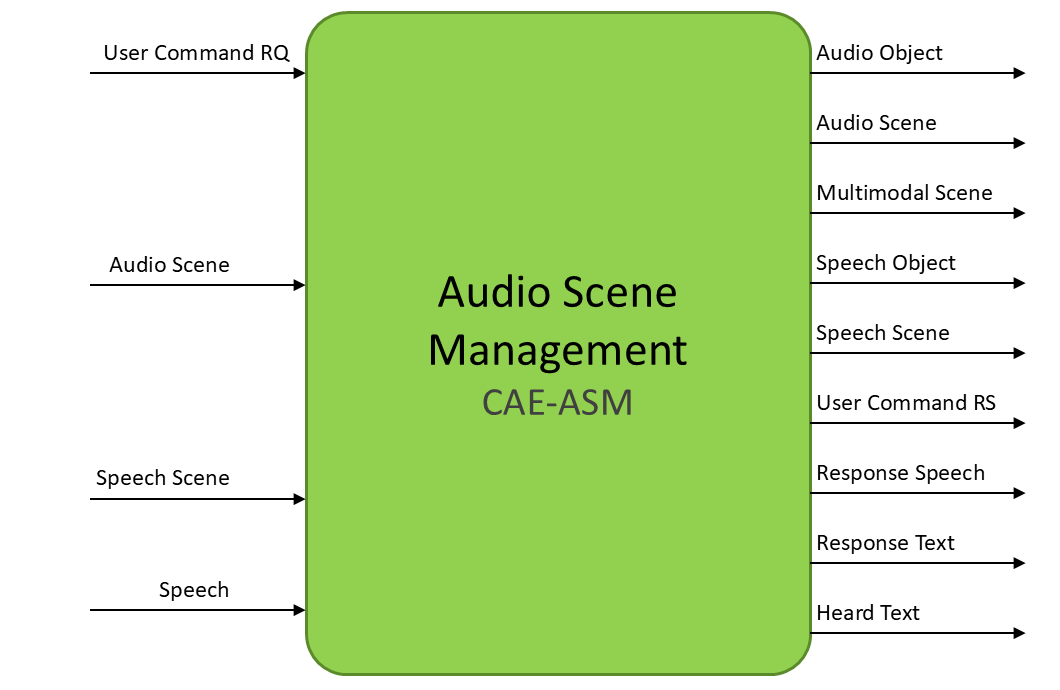
Figure 1 – The Reference Model of the Audio Scene Management (CAE-ASM) AIM
Each editing AIM has its own User Command RQ input and its own data and User Command RS outputs, and the AIMs that edit a Scene have a Scene input: they are the Ports of Table 1, identified by Data Type and Port Number. The User Point of View and the Objects to acquire are carried by the User Command (UserPoV, AcquiredObject).
3 I/O Data
Table 1 specifies the Input and Output Data of the Audio Scene Management (CAE-ASM) AIM. A Port is addressed by its Data Type and its Port Number (#); where the metadata gives none, none is shown.
| Input | Description |
| User Command RQ (CAE-UCM) #1 | The User Command for Audio Object Editing. |
| User Command RQ (CAE-UCM) #2 | The User Command for Audio Scene Editing. |
| Audio Scene Descriptors (OSD-ASD) #1 | The Audio Scene to edit. |
| User Command RQ (CAE-UCM) #3 | The User Command for Speech Object Editing. |
| User Command RQ (CAE-UCM) #4 | The User Command for Speech Scene Editing. |
| Speech Scene Descriptors (OSD-SSD) | The Speech Scene to edit. |
| User Command RQ (CAE-UCM) #5 | The User Command for Multimodal Scene Editing. |
| Basic Speech Object (OSD-BSO) #1 | The speech of the person, for the Voice Command Interface. Optional. |
| Output | Description |
| Audio Object (OSD-AUO) | The edited Audio Object. |
| User Command RS (CAE-UCM) #1 | The response of Audio Object Editing. |
| Audio Scene Descriptors (OSD-ASD) | The Audio Scene Descriptors. |
| User Command RS (CAE-UCM) #2 | The response of Audio Scene Editing. |
| Speech Object (OSD-SPO) #1 | The edited Speech Object. |
| User Command RS (CAE-UCM) #3 | The response of Speech Object Editing. |
| Speech Scene Descriptors (OSD-SSD) | The Speech Scene Descriptors. |
| User Command RS (CAE-UCM) #4 | The response of Speech Scene Editing. |
| Multimodal Scene Descriptors (OSD-MSD) | The Multimodal Scene Descriptors. |
| User Command RS (CAE-UCM) #5 | The response of Multimodal Scene Editing. |
| Basic Speech Object (OSD-BSO) #1 | The response to the person, spoken (Response Speech). Optional. |
| Basic Text Object (OSD-BTO) #2 | The response to the person, as text (Response Text). Optional. |
| Basic Text Object (OSD-BTO) #1 | What the person said, as text (Heard Text). Optional. |
4 SubAIMs
4.1 Reference Model
Figure 2 depicts the Reference Model of the Audio Scene Management (CAE-ASM) Composite AIM.
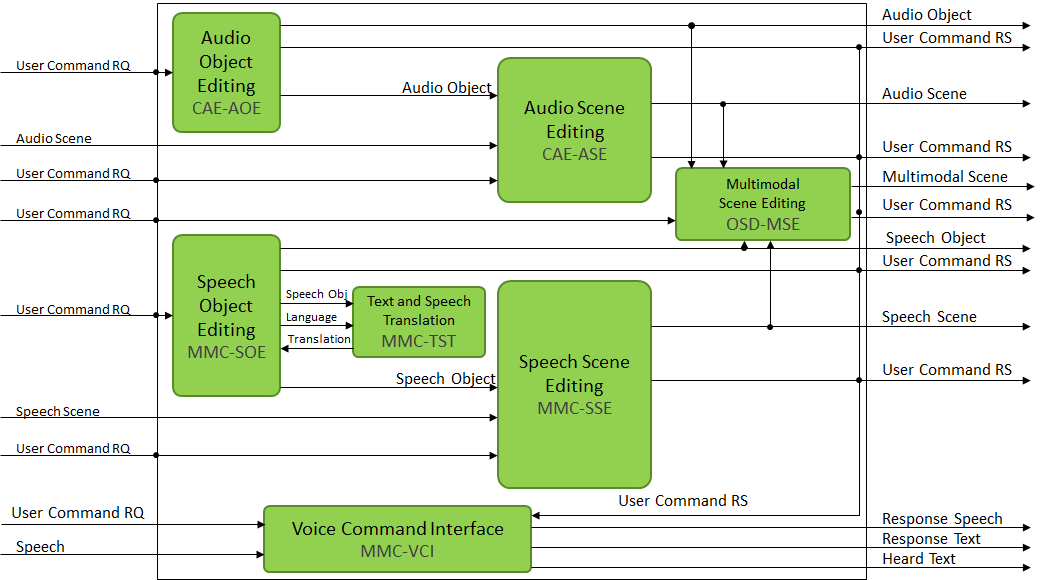
Figure 2 – The Reference Model of the Audio Scene Management (CAE-ASM) Composite AIM
4.2 Operation
The Audio Scene Management (CAE-ASM) Composite AIM is made of AIMs that edit. A User Command reaches the editing AIM it is for at its own Port:
- Audio Object Editing (CAE-AOE) edits Audio Objects and passes them to Audio Scene Editing. Audio Scene Editing (CAE-ASE) composes Audio Scenes.
- Speech Object Editing (MMC-SOE), specified by MPAI-MMC V2.5, edits Speech Objects; a Speech Object to translate goes, with a Language Selector, to Text and Speech Translation (MMC-TST), and the translation replaces the original under its name, so that every Speech Scene holding it holds the translation, at its place. Speech Object Editing passes Speech Objects to Speech Scene Editing (MMC-SSE), also specified by MPAI-MMC V2.5, which composes Speech Scenes.
- Multimodal Scene Editing (OSD-MSE), an AIM of MPAI-OSD V1.5, composes the Audio Scene Descriptors of Audio Scene Editing and the Speech Scene Descriptors of Speech Scene Editing into a Multimodal Scene.
- Every editing AIM returns the User Command with its response, which says how each action was executed (UserCommandRS), at its own Port of the boundary.
- Vocal commands may be issued to the Composite through the Voice Command Interface (MMC-VCI), an AIM that MPAI-MMC V2.5 specifies and that the Composite uses. The speech of the person enters at the boundary Port OSD-BSO Port Number 1; the User Command request that the Voice Command Interface forms goes to the five editing AIMs, and their responses come back to it; the response to the person leaves as speech (OSD-BSO #1) and as text (OSD-BTO #2), with the text of what the person said (OSD-BTO #1). The AIM is shown in Figure 2.
4.3 Functions of SubAIMs
Table 2 provides the functions of the Audio Scene Management (CAE-ASM) SubAIMs. The AIMs specified by other standards are referenced by CAE-ASM: their specification is in those standards.
| SubAIM | Function |
| Audio Object Editing (CAE-AOE) | Edits Audio Objects: the open Audio Object, its acoustics and a defined list of its features; lists Audio Objects. Specified by CAE-ASM. |
| Audio Scene Editing (CAE-ASE) | Composes and edits Audio Scenes: places, moves, changes and removes Audio Objects, sets the User Point of View; lists Audio Scenes. Specified by CAE-ASM. |
| Speech Object Editing (MMC-SOE) (specified by MPAI-MMC V2.5) | Edits Speech Objects and has them translated by Text and Speech Translation. Referenced by CAE-ASM. |
| Speech Scene Editing (MMC-SSE) (specified by MPAI-MMC V2.5) | Composes and edits Speech Scenes. Referenced by CAE-ASM. |
| Text and Speech Translation (MMC-TST) (specified by MPAI-MMC V2.5) | Translates a Speech Object into the language of a Language Selector for Speech Object Editing. Referenced by CAE-ASM. |
| Voice Command Interface (MMC-VCI) (specified by MPAI-MMC V2.5) | Lets a person issue vocal commands to Audio Scene Management: takes the speech of the person at the boundary, gives its User Command request to the five editing AIMs, takes their responses, and gives the response to the person as speech and as text, and the text of what the person said. Referenced by CAE-ASM. |
| Multimodal Scene Editing (OSD-MSE) (specified by MPAI-OSD V1.5) | Composes the Audio Scene Descriptors and the Speech Scene Descriptors into a Multimodal Scene. Referenced by CAE-ASM. |
4.4 Connections of SubAIMs
Table 3 gives the connections between the Ports of the boundary and the SubAIMs, and among the SubAIMs, by Data Type and Port Number.
4.5 AIMs and JSON Metadata
Table 4 provides the links to the AIM specifications and JSON schemas. AIM1 indicates the Composite AIM and AIM2 its SubAIMs.
| AIM1 | AIM2 | Name | JSON |
| CAE‑ASM | Audio Scene Management | X | |
| CAE‑AOE | Audio Object Editing | X | |
| CAE‑ASE | Audio Scene Editing | X | |
| MMC‑SOE | Speech Object Editing | X | |
| MMC‑SSE | Speech Scene Editing | X | |
| MMC‑TST | Text and Speech Translation | X | |
| MMC‑VCI | Voice Command Interface | X | |
| OSD‑MSE | Multimodal Scene Editing | X |
MMC‑SOE, MMC‑SSE, MMC‑TST and MMC‑VCI are specified by MPAI-MMC V2.5; OSD‑MSE is specified by MPAI-OSD V1.5.
5 JSON Metadata
https://schemas.mpai.community/CAE3/V1.0/AIMs/AudioSceneManager.json
6 Profiles
No Profiles.
7 Reference Software
See Reference Software.
8 Conformance Testing
Table 5 provides the Conformance Testing Method for the Audio Scene Management (CAE-ASM) AIM. Conformance Testing of the individual SubAIMs is given by the individual AIM specifications.
If a schema contains references to other schemas, conformance of data for the primary schema implies that any data referencing a secondary schema shall also validate against the relevant schema, if present, and conform with the Qualifier, if present.
| Receives | User Command RQ (CAE-UCM) (#1-#5) | Shall validate against the User Command schema, and contain a UserCommandRQ. |
| Audio Scene Descriptors (OSD-ASD) #1 | Shall validate against the Audio Scene Descriptors schema. | |
| Speech Scene Descriptors (OSD-SSD) | Shall validate against the Speech Scene Descriptors schema. | |
| Basic Speech Object (OSD-BSO) #1 | Shall validate against the Basic Speech Object schema. | |
| Produces | Audio Object (OSD-AUO) | Shall validate against the Audio Object schema. |
| Audio Scene Descriptors (OSD-ASD) | Shall validate against the Audio Scene Descriptors schema. | |
| Speech Object (OSD-SPO) #1 | Shall validate against the Speech Object schema. | |
| Speech Scene Descriptors (OSD-SSD) | Shall validate against the Speech Scene Descriptors schema. | |
| Multimodal Scene Descriptors (OSD-MSD) | Shall validate against the Multimodal Scene Descriptors schema. | |
| Basic Speech Object (OSD-BSO) #1 | Shall validate against the Basic Speech Object schema. | |
| Basic Text Object (OSD-BTO) #1, Basic Text Object (OSD-BTO) #2 | Shall validate against the Basic Text Object schema. | |
| User Command RS (CAE-UCM) (#1-#5) | Shall validate against the User Command schema, and contain a UserCommandRS. |
9 Performance Assessment
Not part of this specification.
