
<-References Go to ToC AI Modules ->
Audio Scene Management is a Composite AIM. Figure 1 shows it with its Ports.
Figure 1 – The Reference Model of Audio Scene Management (CAE-ASM)
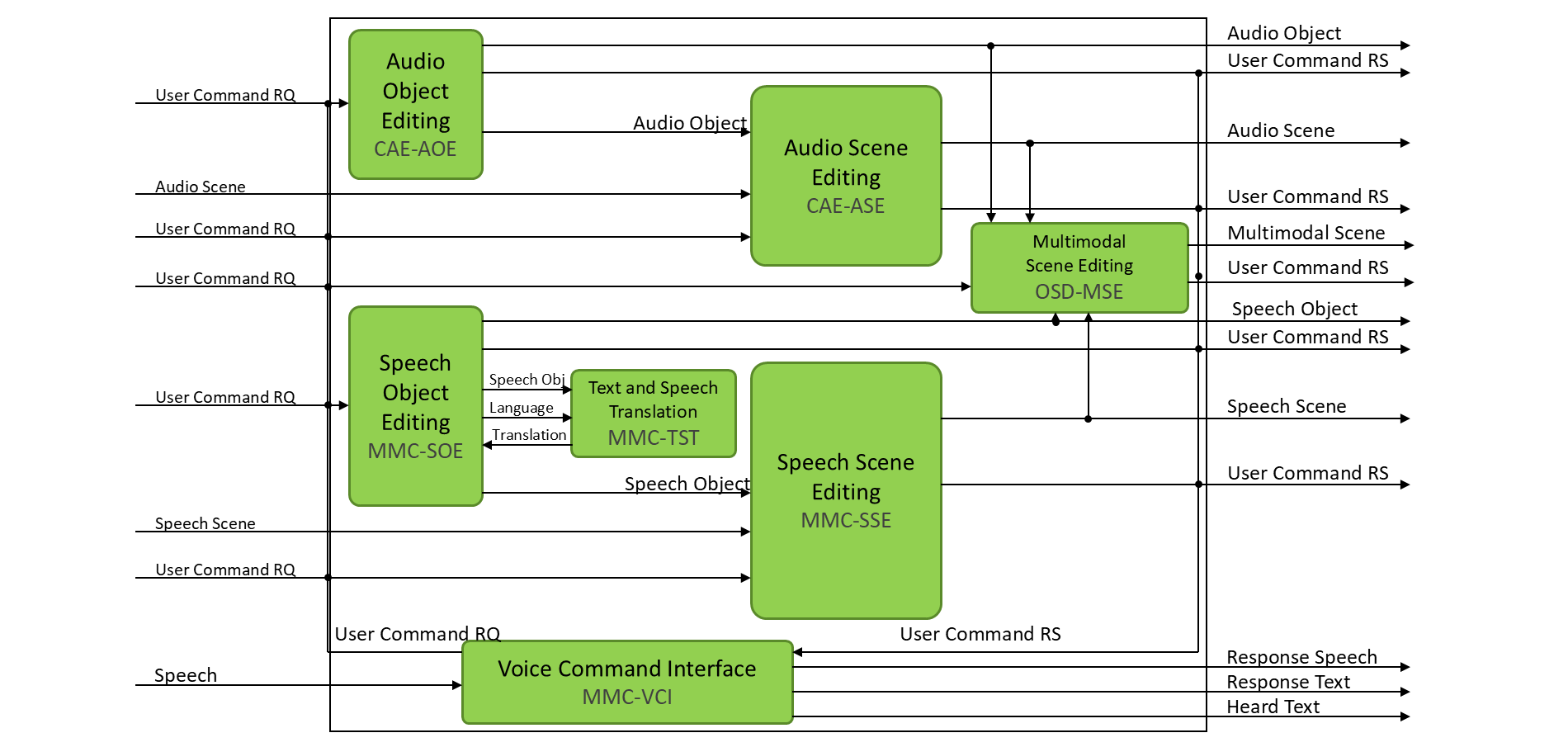
Figure 2 – The Reference Model of the Audio Scene Management (CAE-ASM) Composite AIM
Audio Scene Management is a Composite AIM of seven AIMs: two are specified by CAE-ASM, five by other standards (MPAI-MMC V2.5 and MPAI-OSD V1.5) and referenced by CAE-ASM:
- Audio Object Editing (CAE-AOE) edits Audio Objects.
- Audio Scene Editing (CAE-ASE) composes Audio Scenes.
- Speech Object Editing (MMC-SOE), an AIM of MPAI-MMC V2.5, edits Speech Objects, and has them translated.
- Speech Scene Editing (MMC-SSE), an AIM of MPAI-MMC V2.5, composes Speech Scenes.
- Text and Speech Translation (MMC-TST), an AIM of MPAI-MMC V2.5, translates a Speech Object for Speech Object Editing.
- Voice Command Interface (MMC-VCI), an AIM of MPAI-MMC V2.5 that CAE-ASM references, enables a person to issue vocal commands to Audio Scene Management; it is shown in Figure 2.
- Multimodal Scene Editing (OSD-MSE), an AIM of MPAI-OSD V1.5, composes the Audio Scene Descriptors and the Speech Scene Descriptors into a Multimodal Scene.
No Basic Data Type for Objects and Scenes appears at the boundary of the Composite or of its editing AIMs (only the speech of the person and the texts of the voice interface are Basic Speech and Text Objects): the editing AIMs produce Audio Objects, Audio Scene Descriptors, Speech Objects, Speech Scene Descriptors and Multimodal Scene Descriptors.
Each editing AIM has its own User Command Port at the boundary, and the AIMs that edit a Scene have a Scene Port. The User Command carries the User Point of View and the Object to acquire (UserPoV, AcquiredObject). In Audio Object Editing one Audio Object, in Audio Scene Editing one Audio Scene, in Speech Object Editing one Speech Object and in Speech Scene Editing one Speech Scene is open at a time, so that a User Command need not name its target: what is open is set by the data arriving at an Input Port, whose Header says what it is. Objects and Scenes are identified by the name the User gave them (“violin”, “violin 2”).
The User Command is one Data Type, with a request (UserCommandRQ) and a response (UserCommandRS), exactly one of the two being present. Every amount in a request is a number the request carries, and a request is absolute: it places an Object at a position, moves it to a position, rotates it to an orientation. The response says how each action was executed.
The User Agent submits each User Command to the Port that it addresses by Data Type and Port Number, so that the Controller, and only the Controller, decides which AIM it reaches. Every edit is a new version, which has the name of the Object or Scene edited.
Audio Scene Management in the AI Framework
Audio Scene Management operates in the AI Framework (MPAI-AIF V3.0; see its Reference Model). It is a Module of AIMs, which a Controller runs, and which a User Agent drives through the Controller. The User Agent never touches the AIMs directly: it asks the Controller.
Audio Scene Management edits Objects and Scenes and renders nothing. What a User hears is delivered by Delivery Units of the Physical Layer of the User Agent, which receive the Objects and the Scene Descriptors that Audio Scene Management produces:
- an Audio Object and Audio Scene Descriptors are delivered by the UA Unit Audio Object Delivery (CAE-AOD), which does both functions: it takes a User Command, an Audio Object and Audio Scene Descriptors, and plays them;
- a Speech Object and Speech Scene Descriptors are delivered by the UA Unit Speech Object Delivery (MMC-SOD) of MPAI-MMC V2.5, which does both functions;
- a Multimodal Object and Multimodal Scene Descriptors are delivered by the UA Unit Multimodal Object Delivery (OSD-MOD) of MPAI-OSD V1.5, which does both functions.
Audio is acquired from a disk or a network by the UA Unit Audio Object Acquisition (CAE-AOA), and speech by the UA Unit Speech Object Acquisition (MMC-SOA): acquisition and delivery are functions of the User Agent, as Scope specifies. The user interface is the User Agent’s: it gives User Commands to the AIMs of the Composite.
